Colorado’s Summer Air Quality: What Homeowners Need to Know
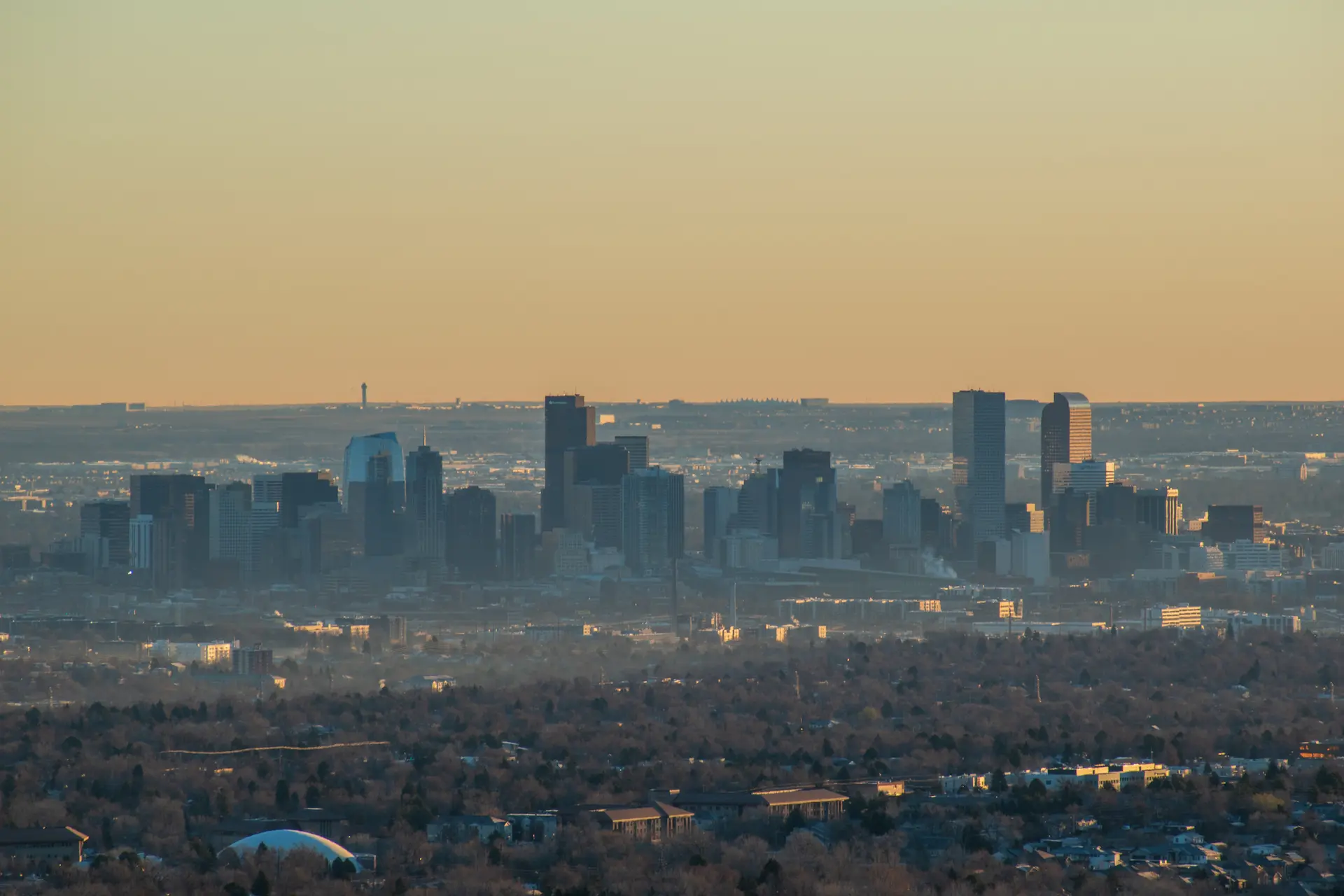
If you have stepped outside this summer and noticed the sky looking hazy or felt that gritty quality in the air, you are not imagining it. Colorado has seen a notable stretch of dust storm activity in 2026, with the National Weather Service issuing multiple dust storm warnings across the state, including visibility dropping to less than a quarter mile in some areas. Add wildfire smoke, seasonal pollen, and the state’s naturally dry air into the mix, and this summer is shaping up to be a genuinely challenging one for anyone paying attention to what they are breathing.
The good news is that while you cannot control what is happening outdoors, you have a lot of control over the air inside your home. Here is what Longmont and Northern Colorado homeowners should know right now.
What Is Actually in Colorado’s Summer Air?
Colorado’s summer air quality is shaped by a few overlapping factors, and this year they are all hitting at once.
Dust and Particulates
Dust storm activity has been elevated across the state this year, particularly in southeastern Colorado and the San Luis Valley. Strong thunderstorm outflows and persistent dry, windy conditions have pushed fine particulate matter into the air across wide areas. These fine particles, known as PM2.5, are small enough to bypass your nose and throat and settle deep in the lungs, which is a concern for anyone with asthma, allergies, or other respiratory conditions.
Wildfire Smoke
Wildfire smoke is a summer reality for the entire Front Range. Even when fires are burning hundreds of miles away in neighboring states, smoke can drift into Colorado and linger for days. Wildfire smoke contains a complex mix of fine particles and gases that irritate the airways, trigger asthma attacks, and cause eye and throat irritation even in otherwise healthy adults. On smoke-heavy days, outdoor air quality can shift from acceptable to unhealthy within hours.
Pollen
The Boulder County and Northern Colorado area is well known for high pollen counts, particularly from grasses in early summer and weeds later in the season. Pollen does not stay outside. It travels through open windows, hitches a ride on clothing and pets, and infiltrates your home’s air supply every time a door opens. For the roughly 35 million Americans affected by seasonal allergic rhinitis, indoor pollen levels can be just as problematic as outdoor exposure.
Dry Air
Colorado’s semi-arid climate means low humidity year-round, and summer is no exception. Dry indoor air irritates mucous membranes, makes respiratory symptoms worse, and can increase your susceptibility to airborne irritants. It also allows fine particles to stay suspended in the air longer rather than settling out.
What Are the Symptoms of Poor Indoor Air Quality?
Poor indoor air quality does not always announce itself obviously. Many homeowners attribute the symptoms to seasonal allergies or a lingering cold without realizing their home’s air is contributing to the problem. Common signs include:
- Persistent coughing, sneezing, or throat irritation that improves when you leave the house
- Headaches or fatigue that seem worse indoors
- Worsening allergy or asthma symptoms at home compared to other locations
- Dry or irritated eyes, nose, or skin
- Musty, stale, or chemical odors that do not go away
- Dust accumulating quickly on surfaces even after cleaning
If several of these sound familiar, your indoor air quality is worth taking a closer look at, especially during a summer like this one.
At What AQI Should You Stay Indoors?
The Air Quality Index, or AQI, runs from 0 to 500. Here is a quick reference for making decisions during smoky or dusty days:
- 0 to 50 (Good): No restrictions. Air quality poses little or no risk.
- 51 to 100 (Moderate): Acceptable for most people. Those who are unusually sensitive to air pollution may want to reduce prolonged outdoor exertion.
- 101 to 150 (Unhealthy for Sensitive Groups): People with asthma, heart or lung disease, older adults, and children should limit extended outdoor activity.
- 151 to 200 (Unhealthy): Everyone may begin to experience health effects. Sensitive groups should avoid prolonged outdoor exertion. Stay indoors when possible.
- 201 and above (Very Unhealthy to Hazardous): Stay indoors. Keep windows and doors closed. Run your HVAC system to filter indoor air.
You can check current AQI levels for Longmont, Boulder, Fort Collins, and surrounding areas at AirNow.gov. On days when the AQI climbs into unhealthy ranges, your home should be your refuge, but only if the air inside it is actually cleaner than what is outside.
Do Indoor Air Purifiers Really Work?
Yes, but with an important distinction: not all air purifiers work the same way, and standalone portable units have real limitations. A small purifier in one room does nothing for the rest of your home. Whole-home indoor air quality solutions integrated with your HVAC system treat every cubic foot of air that circulates through your home, not just a single room.
At Welzig, we offer several levels of whole-home air quality protection depending on your needs and budget:
PremiereOne UV Filtration
Rather than masking odors, the PremiereOne UV system oxidizes them using activated oxygen. It eliminates odors from cooking, smoke, mildew, and more, and neutralizes dangerous odorless gases as well. For homeowners dealing with smoke infiltration during wildfire events, this is a particularly effective tool.
Global Plasma Solutions (GPS)
GPS technology uses patented needlepoint bipolar ionization to introduce high concentrations of positive and negative ions into your home’s airflow. These ions attach to dust, pollen, dander, smoke, mold, and other particles, causing them to cluster together and become large enough to be captured by your air filter. The result is a measurable reduction in airborne contaminants throughout the entire home, with the added benefit of up to 30% improvement in energy efficiency.
PuriFi Indoor Air Quality System
PuriFi is the most advanced option we offer. It combines whole-home air purification with real-time sensors that continuously monitor contaminants including dust, pollen, pet dander, mold, VOCs, and pathogens down to 0.3 microns in size. Think of it as a thermostat for your air quality. It responds automatically to what it detects, keeping your indoor air measurably cleaner around the clock. In lab testing, PuriFi reduces airborne pollutants by more than 90% within the first 24 hours of operation.
Steps You Can Take Right Now
Regardless of what system you have, there are steps every homeowner can take to improve indoor air quality during high-particulate periods:
- Change your air filter. A clogged filter cannot capture new particles. During smoke or dust events, check your filter more frequently and replace it if it looks visibly dirty. A higher MERV-rated filter captures finer particles, though your HVAC system should be matched to the filter rating to avoid airflow issues.
- Keep windows and doors closed on high-AQI days and run your HVAC system to circulate and filter indoor air instead.
- Run your HVAC fan on a schedule. Setting your thermostat fan to run periodically even when the system is not heating or cooling keeps air circulating through the filter continuously.
- Vacuum and dust frequently during dusty periods, using a vacuum with a HEPA filter if possible.
- Remove shoes at the door to avoid tracking in dust, pollen, and particulates from outside.
- Schedule a maintenance visit. A system that is running efficiently filters air better. Dirty coils, clogged drains, and worn components all reduce your HVAC system’s effectiveness as an air quality tool.
When to Call Welzig
If you are noticing symptoms of poor indoor air quality, if your home smells stale or smoky even with windows closed, or if you have family members with asthma, allergies, COPD, or other respiratory conditions, a whole-home indoor air quality solution is worth a conversation. Our NATE-certified technicians can assess your current setup and recommend the right level of protection for your home and your budget.
Welzig Heating, Air, Plumbing & Electric has been helping Longmont, Boulder, Fort Collins, Broomfield, and surrounding Northern Colorado communities breathe easier since 1994. Call us at (720) 336-3777 or schedule a visit online and we will help you make your home the clean air refuge it should be.